FAQ
FIT to PSD Conversion
What are FIT files?
The FIT (Flexible and Interoperable Data Transfer) format is associated with some GPS devices, such as Edge, Forerunner and Oregon, created by Garmin. FIT images generally contain tracks and routes and can be opened using a limited number of image viewers. They are considered rare and need to be converted to more popular formats for increased accessibility.
What are PSD files?
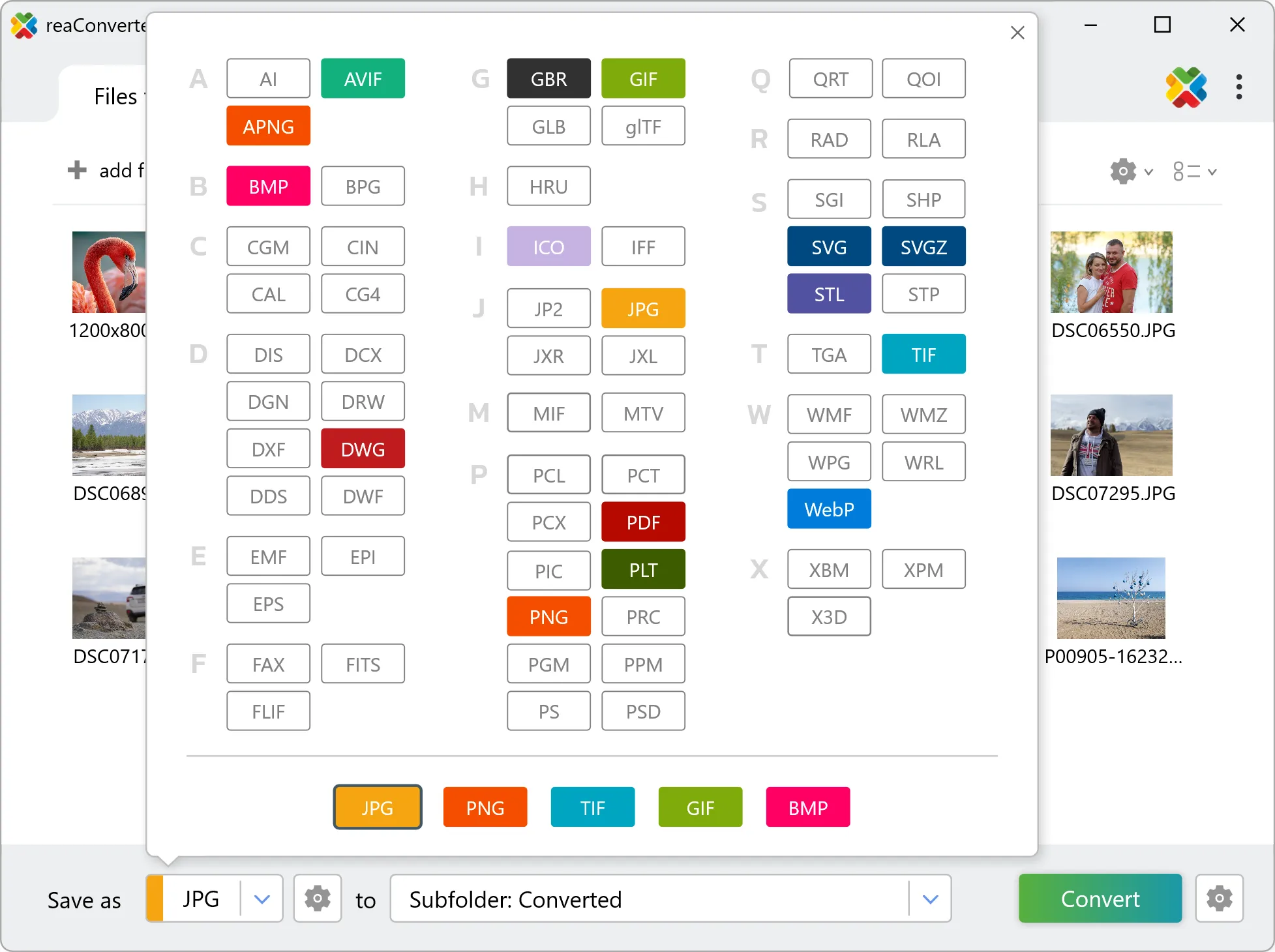
PSD is the default format for handling images using Adobe Photoshop and it represents a layered image file. PSDs allow later editing of available layers, including transparency, masks, alpha channels and texts, among others. After applying all desired editing, PSD files can be saved in Photoshop under more easily recognizable formats, such as JPEG or PNG, which are also smaller in size but flatten the image and hence do not allow later editing of layers.
Can reaConverter convert FIT to PSD?
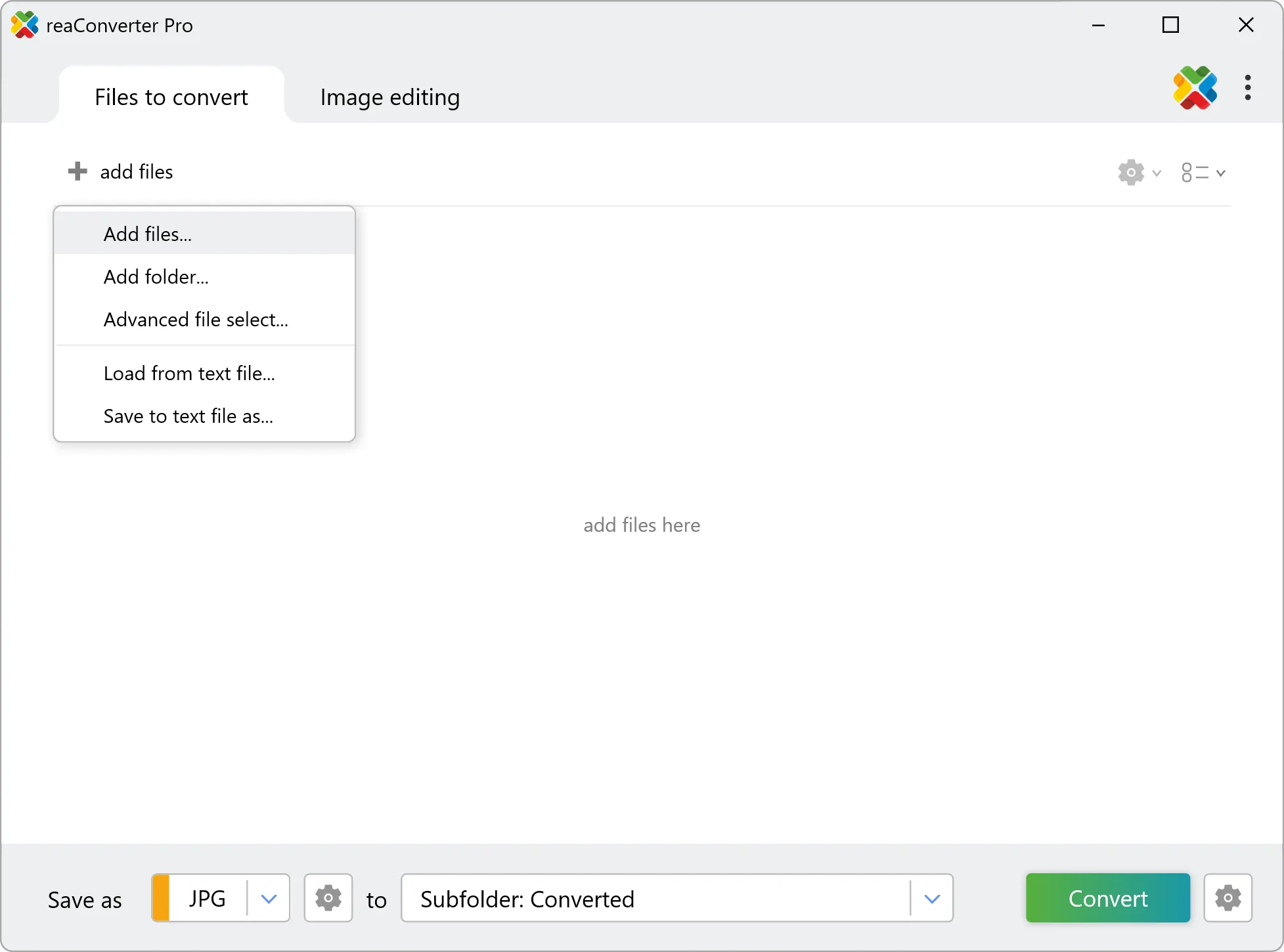
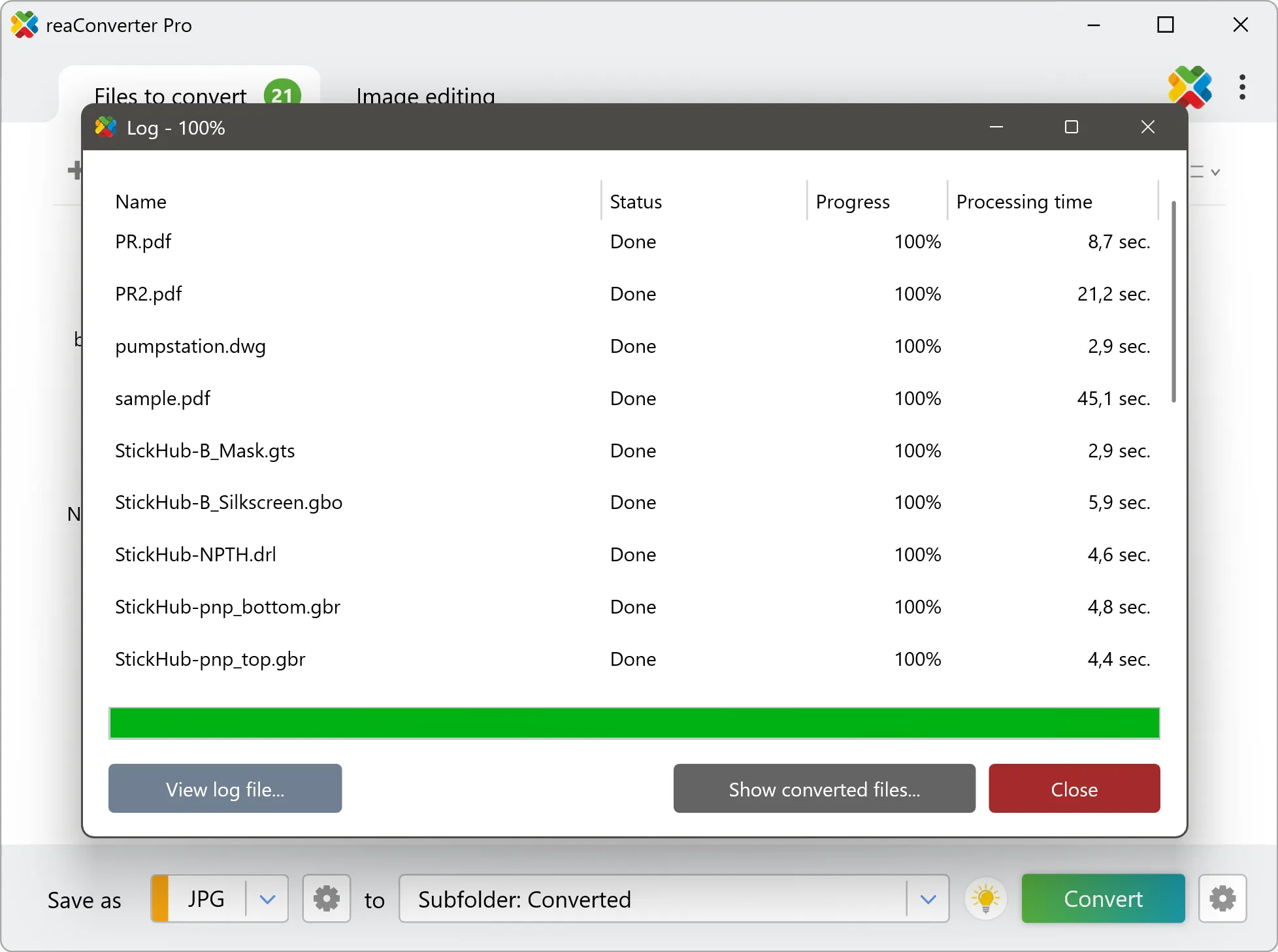
Yes! reaConverter instantly converts .fit to .psd with perfect quality preservation. With its batch processing feature, you can convert multiple files at once in just a few clicks. You can even convert FIT images directly from Windows Explorer using the right-click menu — fast and convenient.
What is reaConverter used for?
reaConverter is a software program used for converting images and other types of files from one format to another. It supports a wide range of file formats and allows users to convert multiple files at once, making it a valuable tool for graphic designers, photographers, and other professionals who work with digital images. reaConverter also includes features for resizing, cropping, and editing images, along with batch processing capabilities that help automate repetitive tasks.
Can I convert FIT to PSD in my browser?
Yes — with our free web-based FIT to PSD converter, you can convert .fit files instantly, right in your browser. No installation, no uploads — perfect for quick, local conversions.
How can I turn FIT files into PSD on my computer?
The best way to change FITs to PSDs on your PC is to install a quality piece of software, such as reaConverter. This software is extremely efficient in managing a wide range of batch files conversions, including conversion from FIT to PSD.
How can I automate FIT to PSD files conversion?
reaConverter supports all the most useful automation features such as right-click сonversion and Watch Folders for the most efficient automated files conversion in any software of this type.
Is there a way to convert FIT files to PSD using the command prompt?
reaConverter provides full access to all its features via Windows command line, including a high-performance command-line fit to psd converter for batch processing.
What else can I do with reaConverter?
Convert DICOM imagesCrop photoConvert PDFWatermark photosConvert microscopy files
Related conversions
Other ways to convert FIT files, and other sources that convert to PSD.