

How to Convert Multiple .fit Images to .jxr?
1. Download and Install reaConverter
First, grab reaConverter from the download button below. Installation is fast, and the software runs offline — no account or signup needed. Need edits? Resize, rotate, or add watermarks during conversion.

2. Load your FIT files
Start reaConverter and add your .fit files. The software processes everything locally, so your files never leave your computer.
Use drag-and-drop, folder browser, or right-click conversion from Explorer.
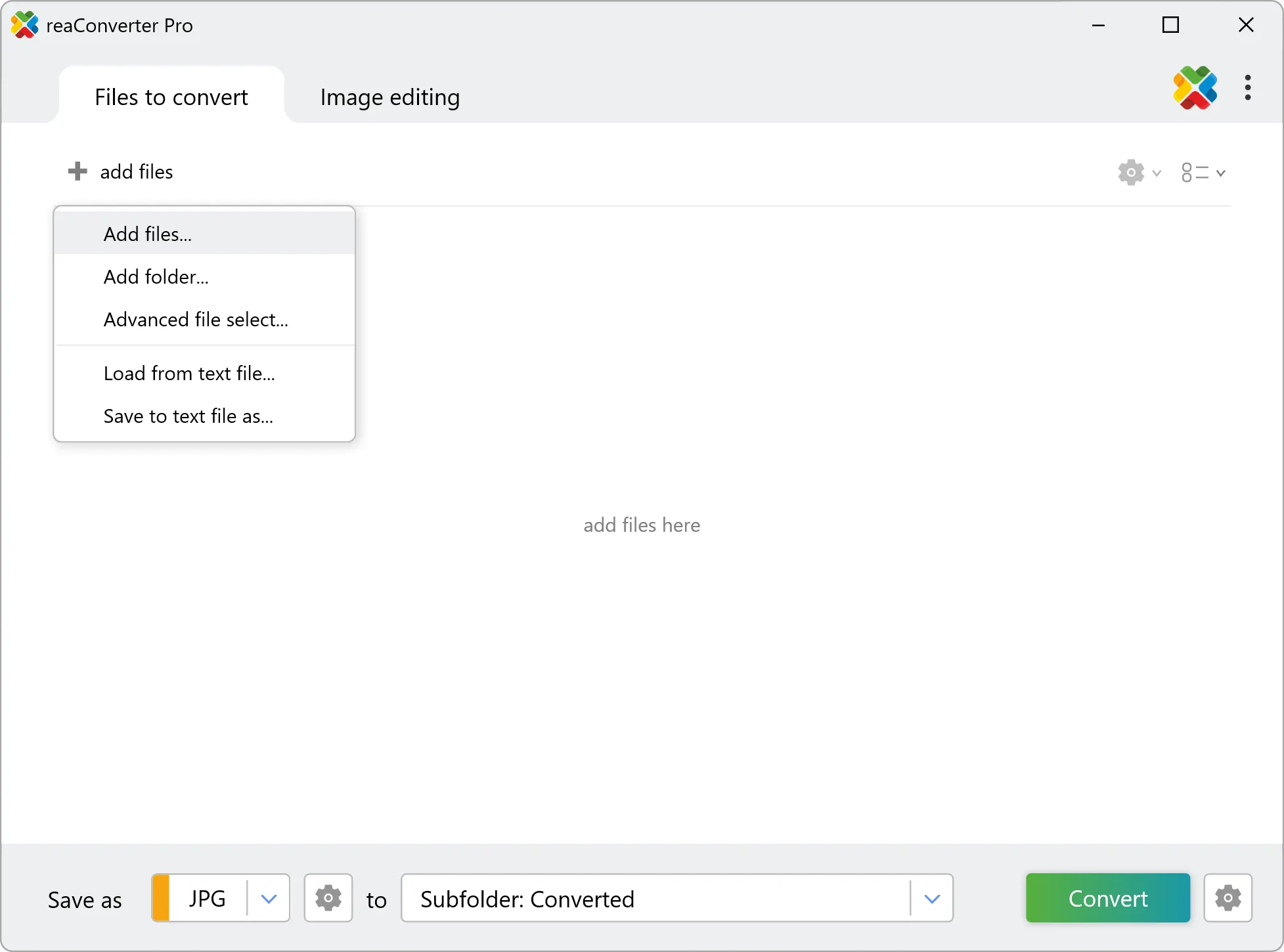
3. Select JXR as output format
Select JXR from 800+ supported output formats. Choose your destination folder and adjust settings to match your needs.
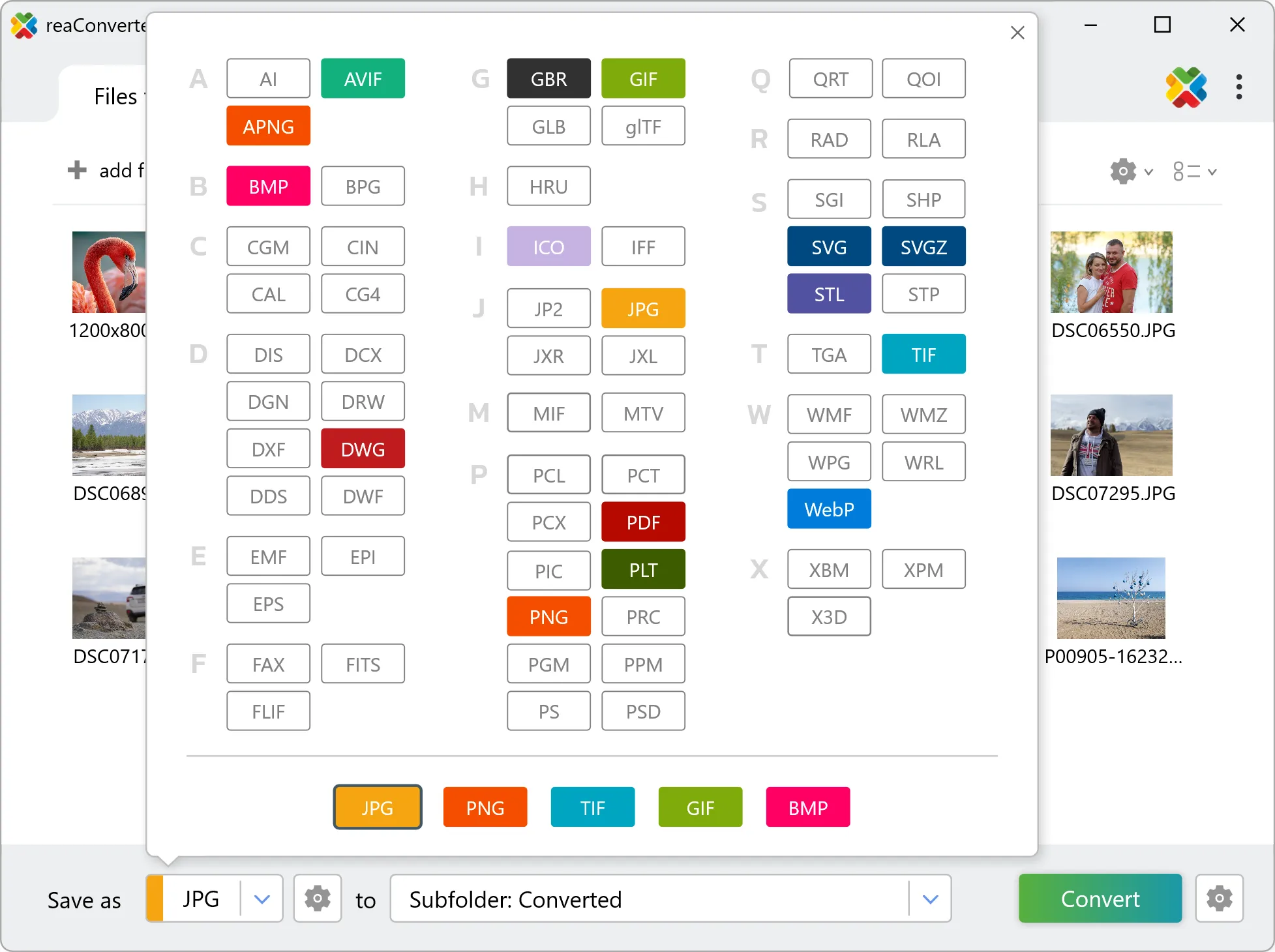
4. Start FIT to JXR conversion
Click Convert to start the batch. reaConverter processes files quickly and shows you the status of each one.
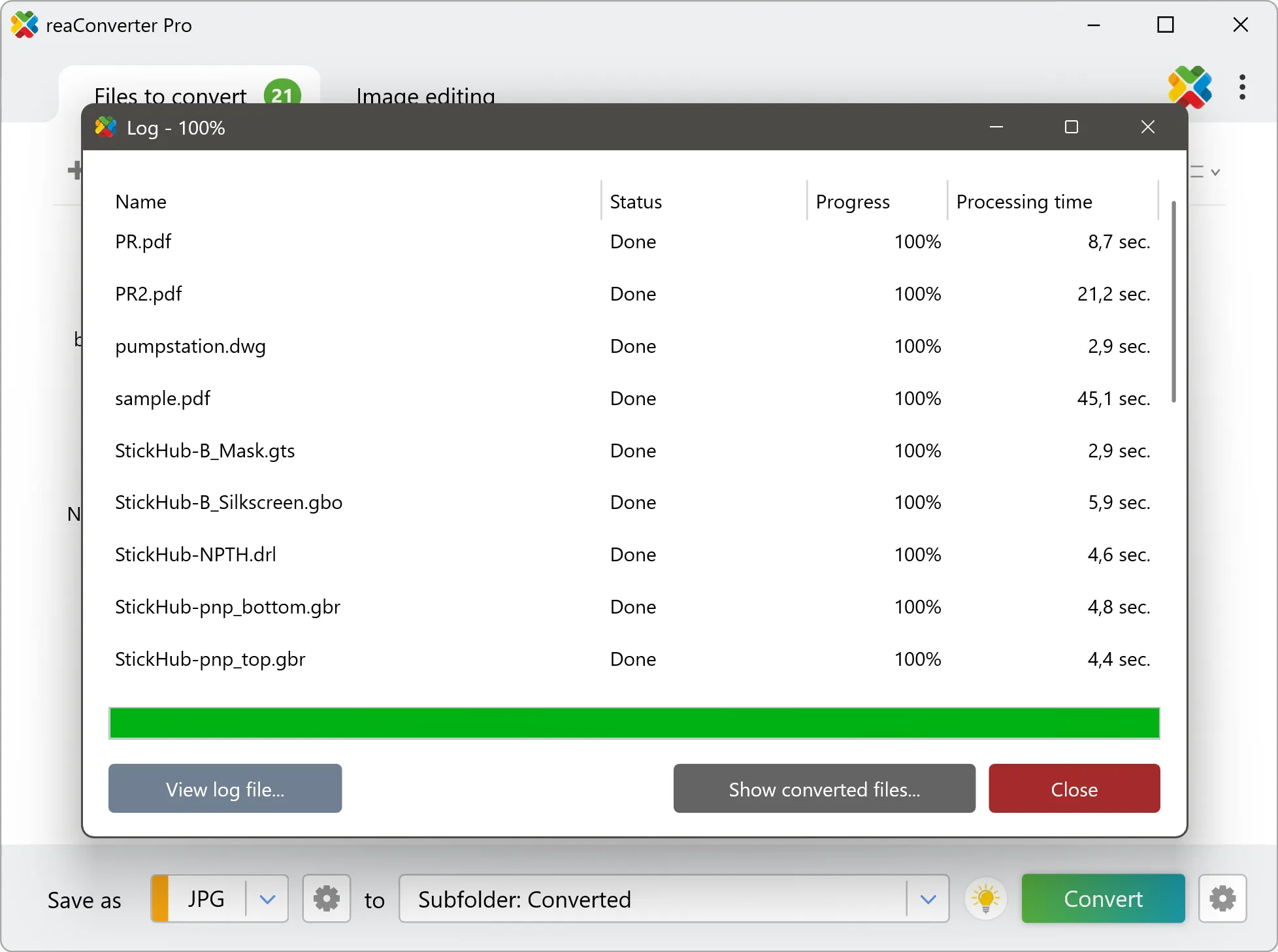
Once done, reaConverter shows a summary. Click 'Show converted files' to jump straight to your JXR output.