



How to Convert Multiple .orf Images to .dwf?
1. Download and Install reaConverter
First, grab reaConverter from the download button below. Installation is fast, and the software runs offline — no account or signup needed. reaConverter also includes editing tools: resize, crop, rotate, and more.

2. Load your ORF files
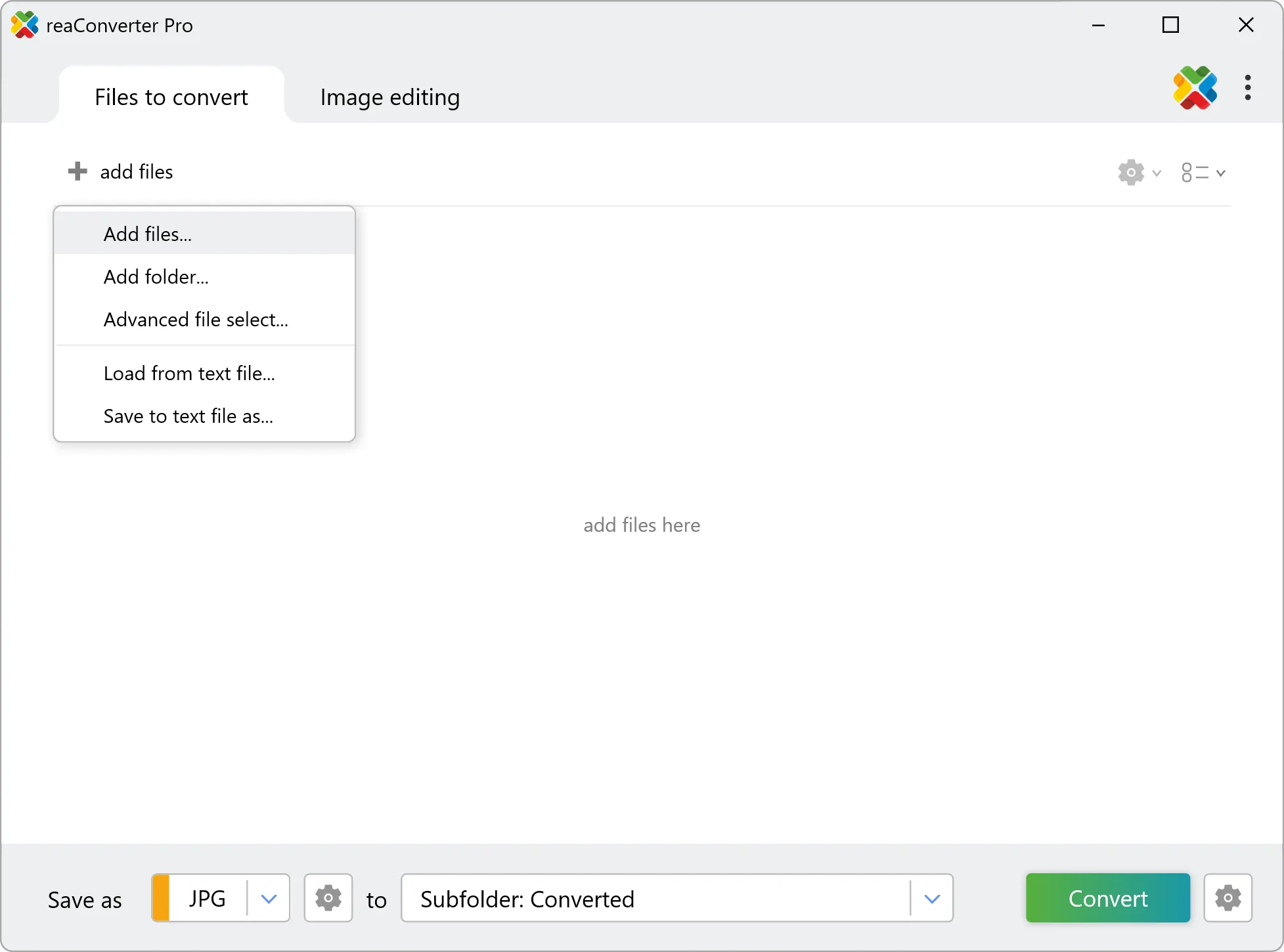
Add your ORF files to reaConverter. Whether it's a handful or an entire archive, the batch engine processes them efficiently.
You can drag-and-drop files, browse to a folder, or add entire directory trees including subfolders.
3. Select DWF as output format
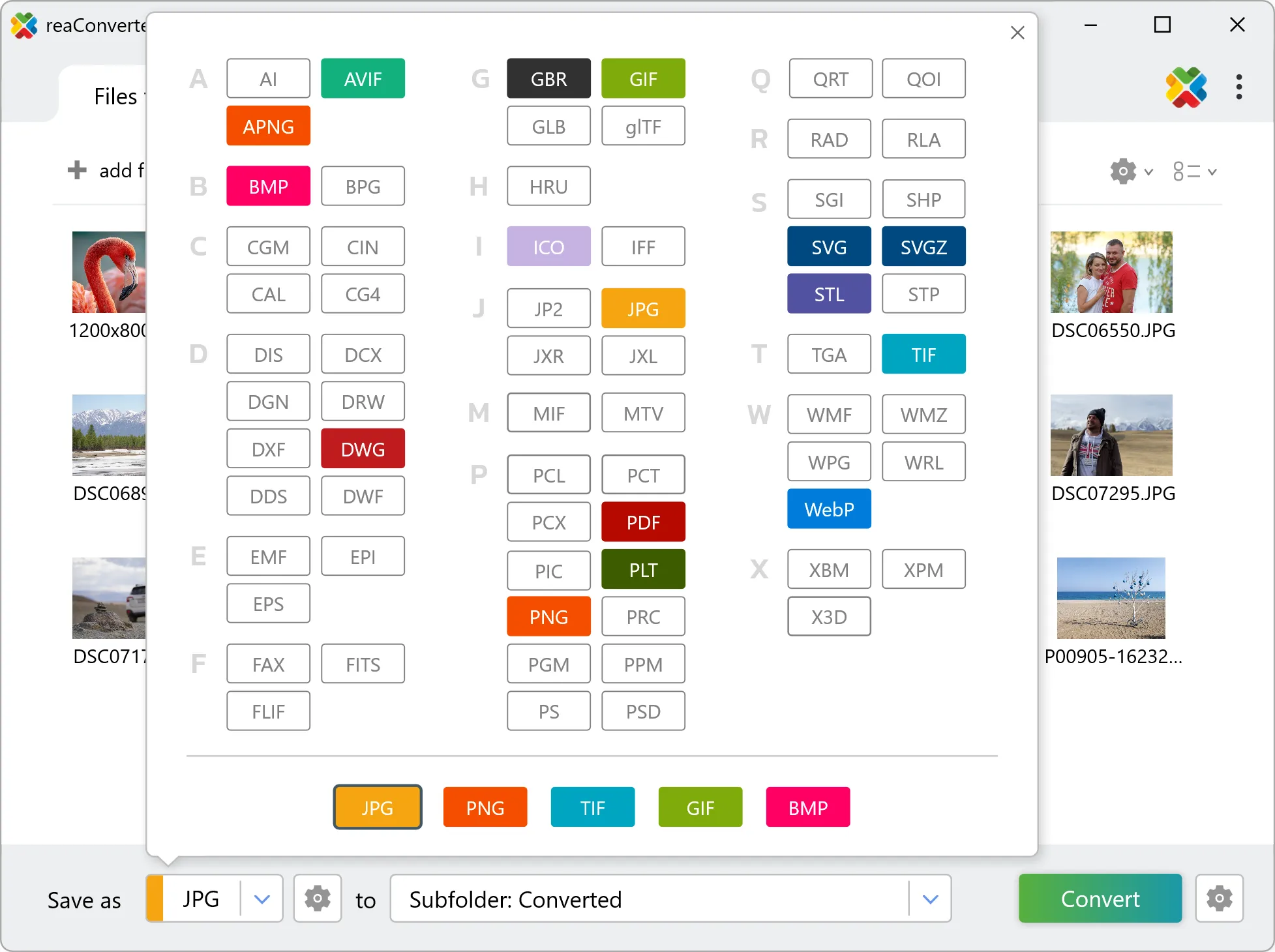
Set DWF as output format and select where to save your converted files. Customize quality settings if needed.
4. Start ORF to DWF conversion
Click the Convert button to start. reaConverter will process all your files with the settings you selected.
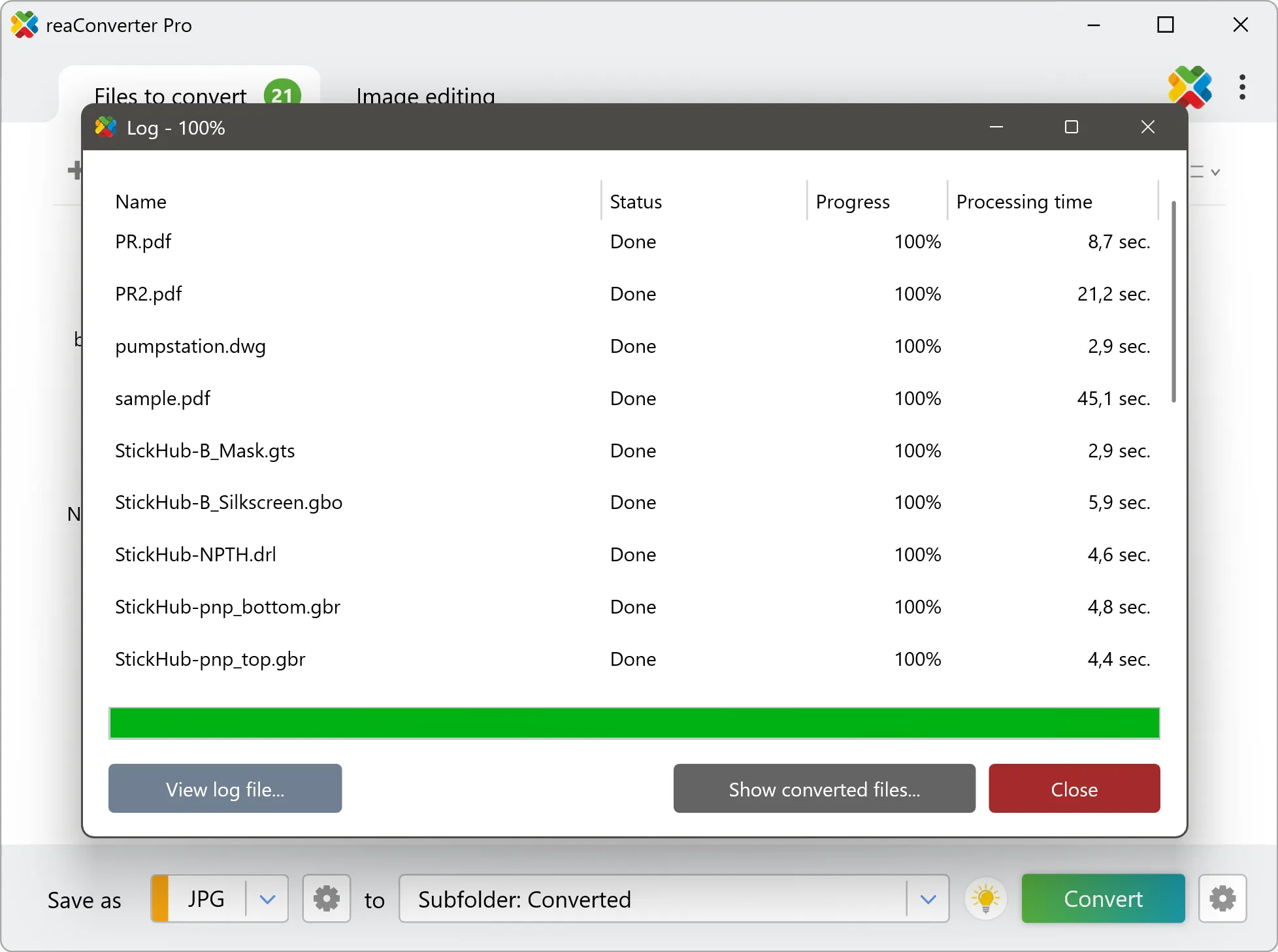
When finished, your new .dwf files will be waiting in the destination folder.