


How to Convert Multiple .orf Images to .stp?
1. Download and Install reaConverter
Install reaConverter for fast ORF conversion. Quick setup, then you're ready to process entire photo shoots. You can also resize, crop, and adjust images during conversion.

2. Load your ORF files
Add your ORF files to reaConverter. Whether it's a handful or an entire archive, the batch engine processes them efficiently.
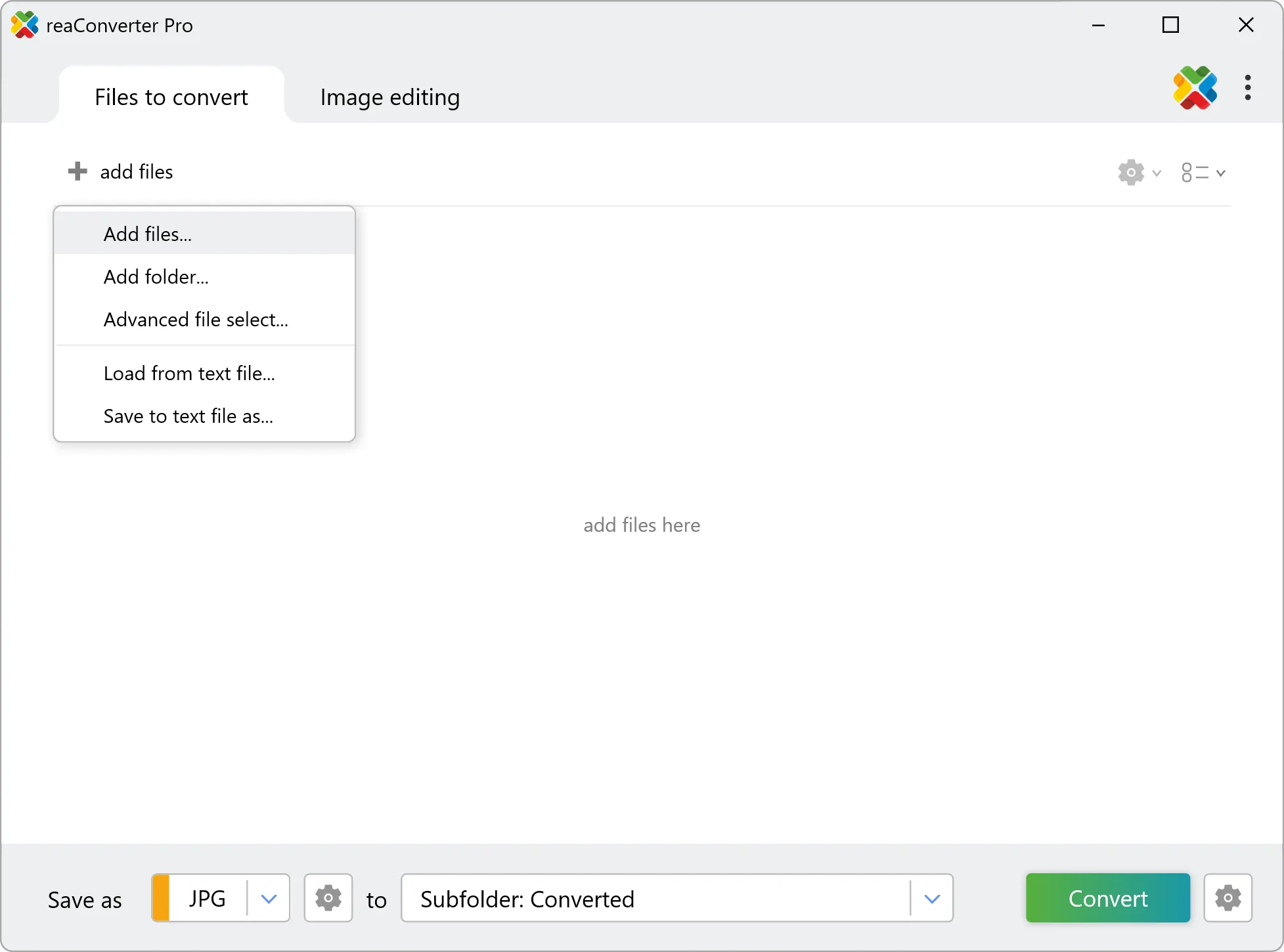
Drag files into the window, use the Add Files button, or select entire folders.
3. Select STP as output format
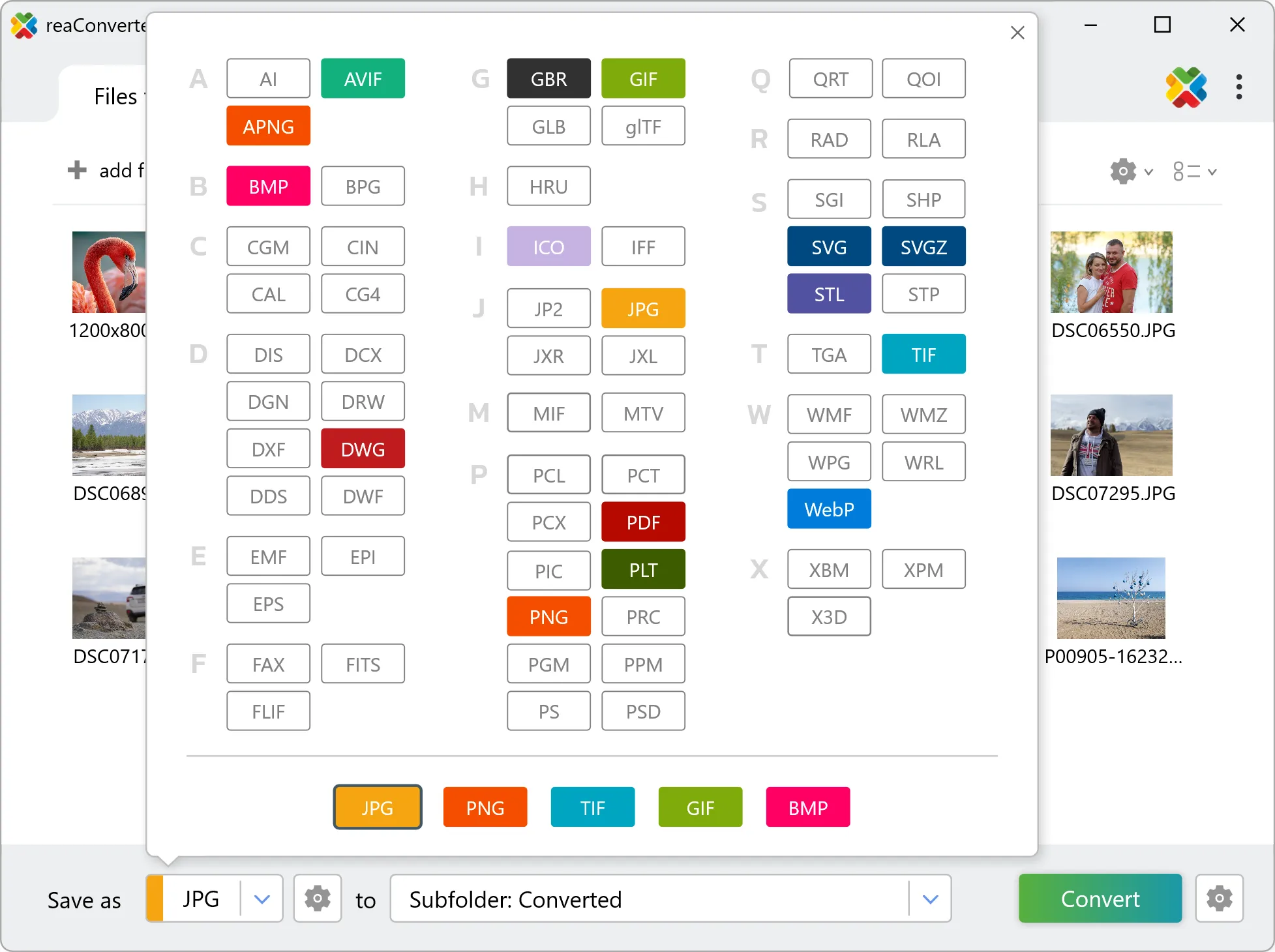
Set STP as output format and select where to save your converted files. Customize quality settings if needed.
4. Start ORF to STP conversion
Hit Convert to process your files. The log window shows progress, timing, and status for every file.
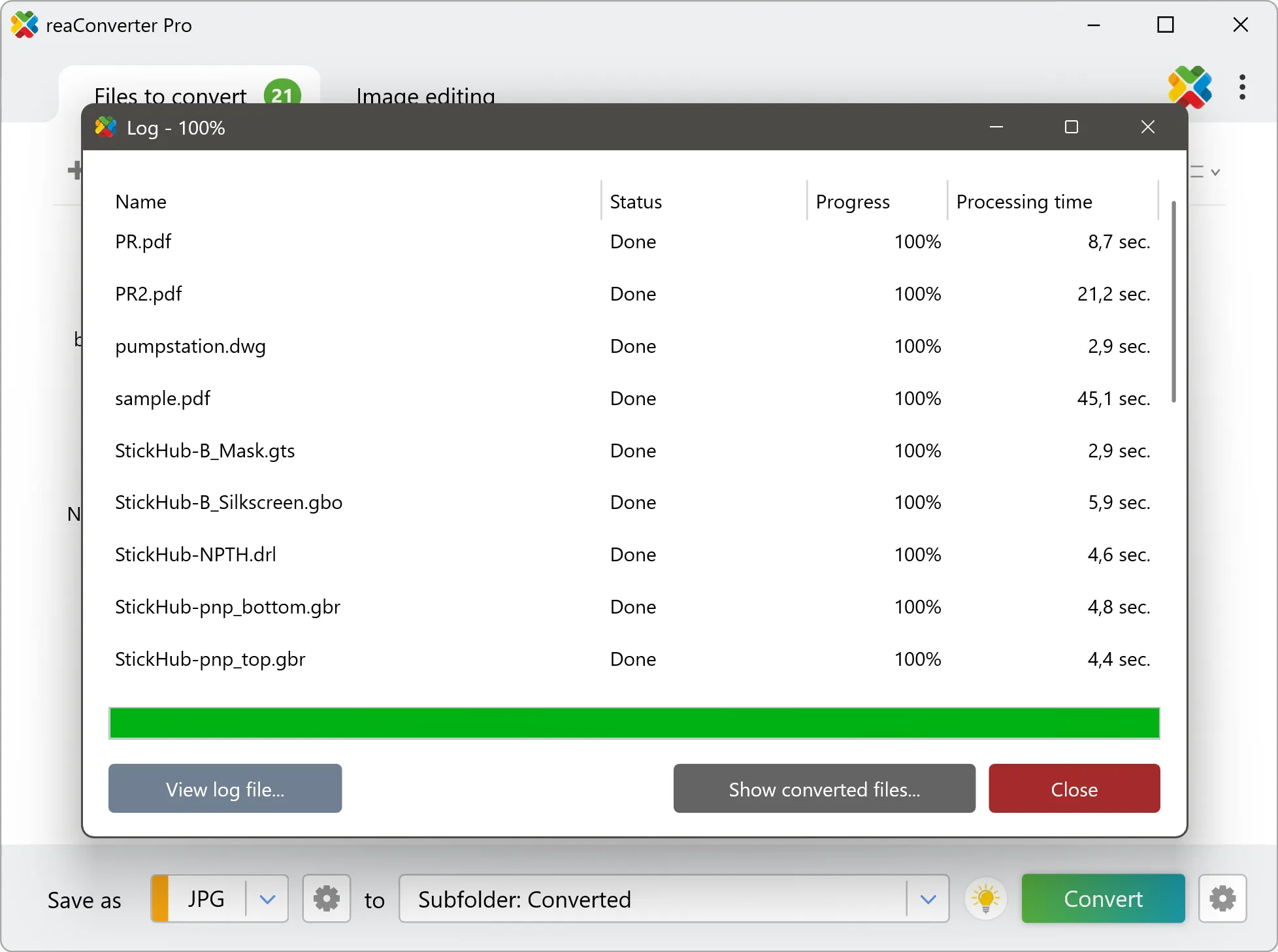
Conversion complete? Your STP files are saved to the destination folder, ready to use.