FAQ
TIFF to IGS Conversion
What are TIFF files?
TIFF (Tagged Image File Format) is a file format for storing images, popular among graphic artists, the publishing industry, and both amateur and professional photographers in general.
What are IGS files?
The IGS (Initial Graphics Exchange Specification) file format is a standardized CAD data exchange format used to transfer 2D and 3D model data between different CAD systems. Developed in the 1980s, IGES ensures compatibility across various engineering and design software by storing geometric data, annotations, and structure in a neutral ASCII or binary format.
Can reaConverter convert TIFF to IGS?
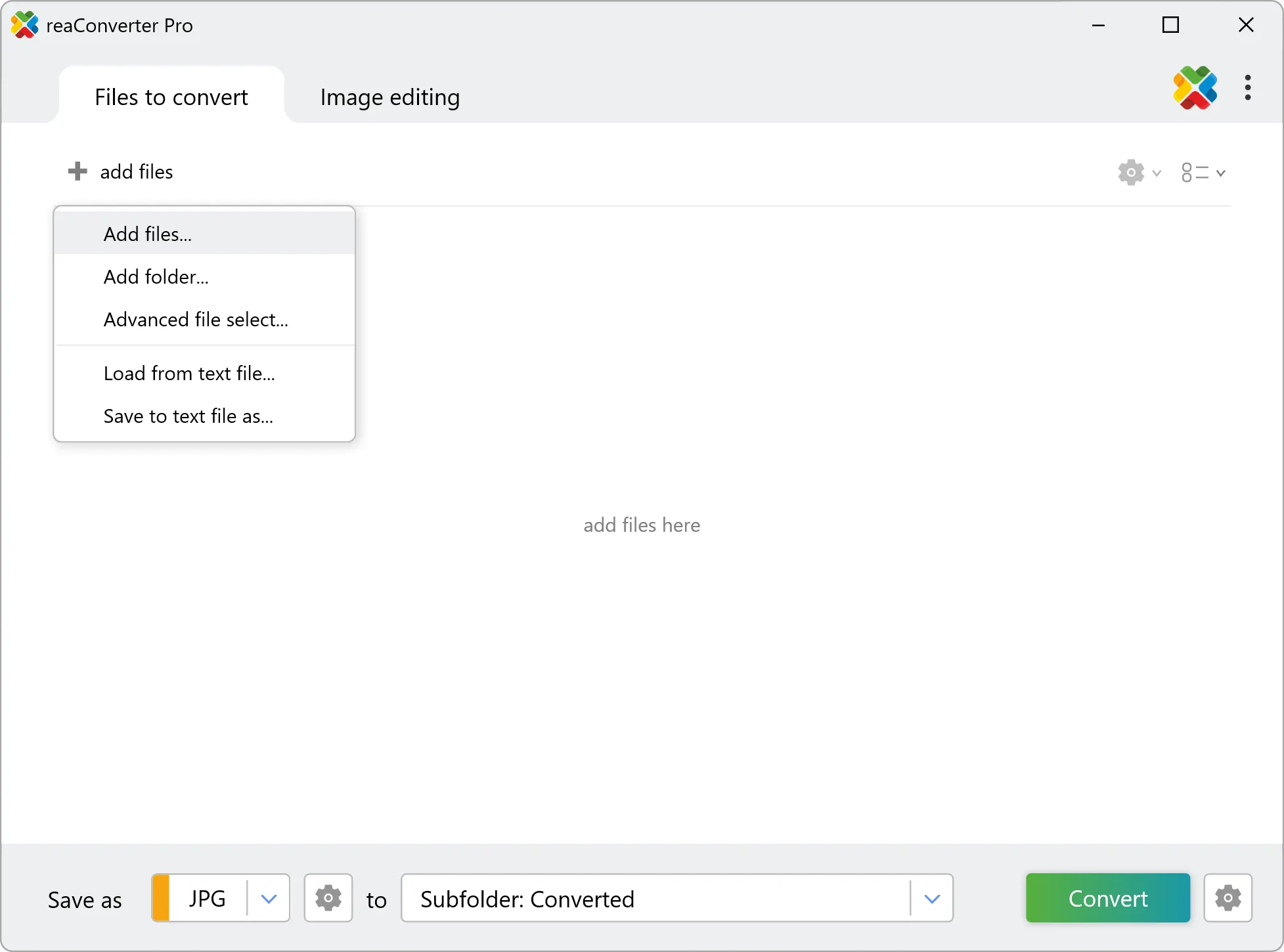
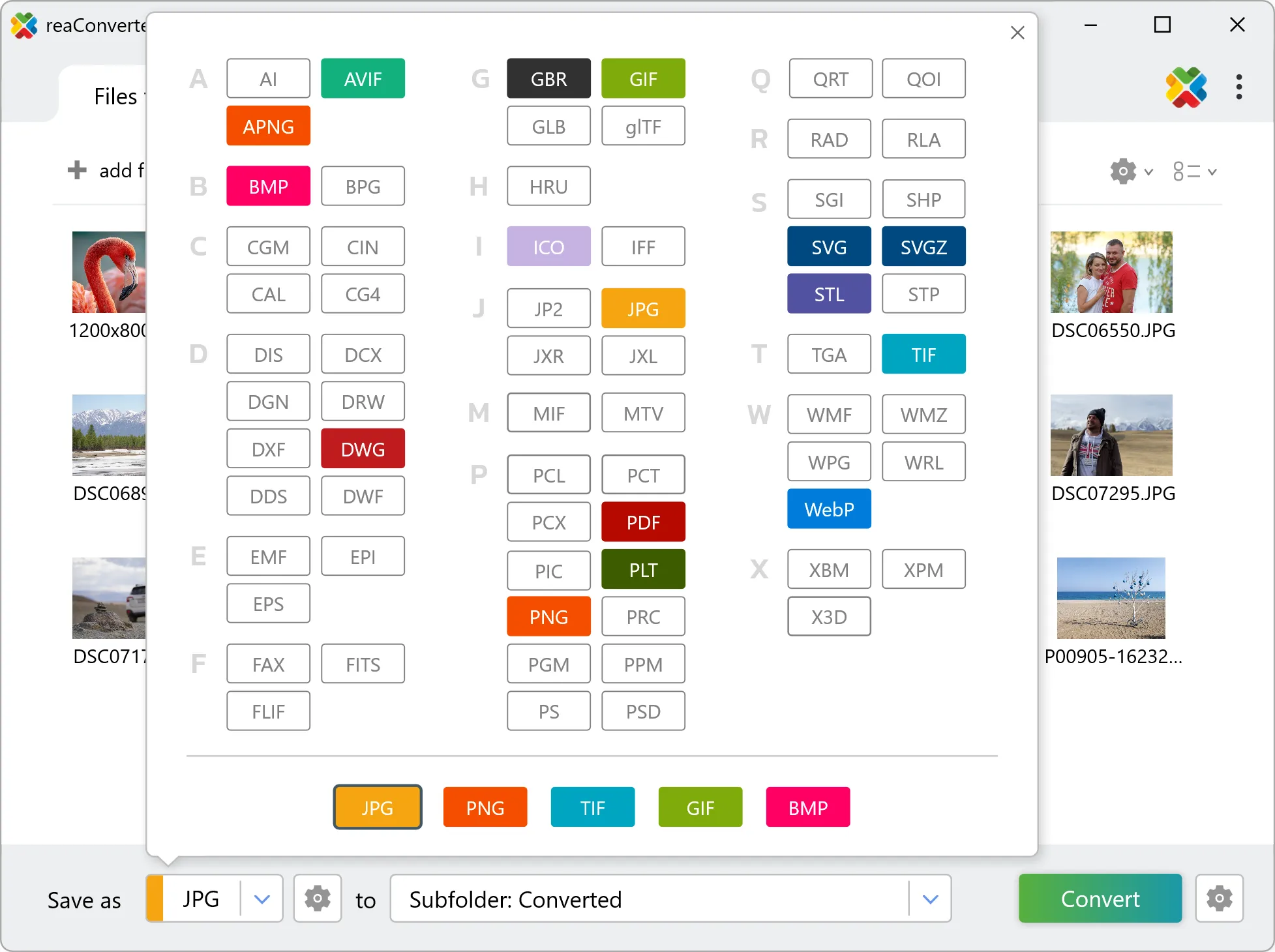
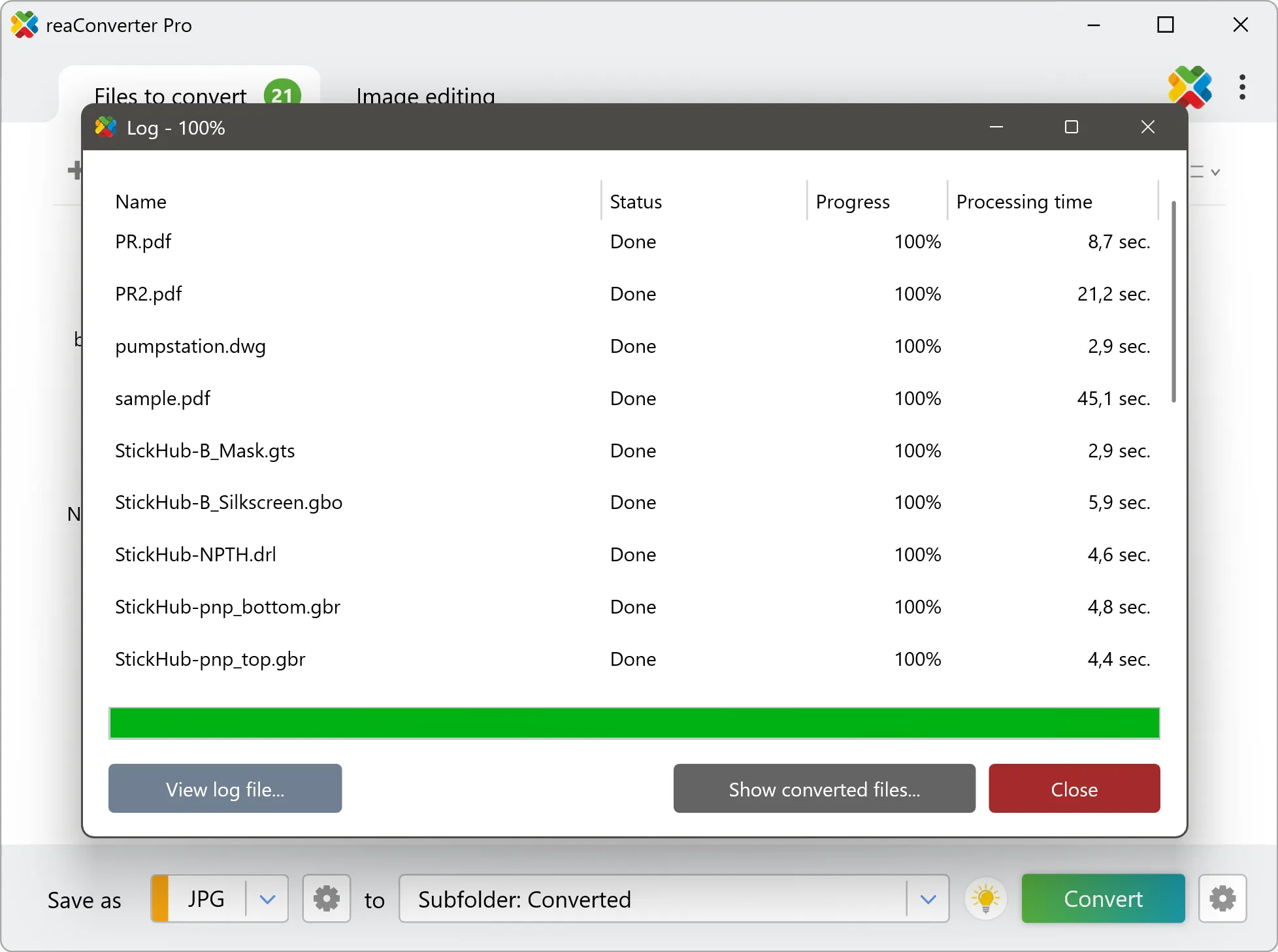
Yes! reaConverter instantly converts .tiff to .igs with perfect quality preservation. With its batch processing feature, you can convert multiple files at once in just a few clicks. You can even convert TIFF images directly from Windows Explorer using the right-click menu — fast and convenient.
What is reaConverter used for?
reaConverter is a software program used for converting images and other types of files from one format to another. It supports a wide range of file formats and allows users to convert multiple files at once, making it a valuable tool for graphic designers, photographers, and other professionals who work with digital images. reaConverter also includes features for resizing, cropping, and editing images, along with batch processing capabilities that help automate repetitive tasks.
Can I convert TIFF to IGS online?
If you only need to convert a few TIFF files to IGS format, feel free to try our free online free online TIFF to IGS converter — perfect for small batches with no installation needed!
How can I turn TIFF files into IGS on my computer?
The best way to change TIFFs to IGSs on your PC is to install a quality piece of software, such as reaConverter. This software is extremely efficient in managing a wide range of batch files conversions, including conversion from TIFF to IGS.
How can I automate TIFF to IGS files conversion?
reaConverter supports all the most useful automation features such as right-click сonversion and Watch Folders for the most efficient automated files conversion in any software of this type.
Is there a way to convert TIFF files to IGS using the command prompt?
reaConverter provides full access to all its features via Windows command line, including a high-performance command-line tiff to igs converter for batch processing.
What else can I do with reaConverter?
Convert CAD formatsSet file dateConvert GIS filesChange format settingsCopy EXIF data
Related conversions
Other ways to convert TIFF files, and other sources that convert to IGS.