

How to Convert Multiple .vsi Files to .stp?
1. Download and Install reaConverter
First, grab reaConverter from the download button below. Installation is fast, and the software runs offline — no account or signup needed.

2. Load your VSI files
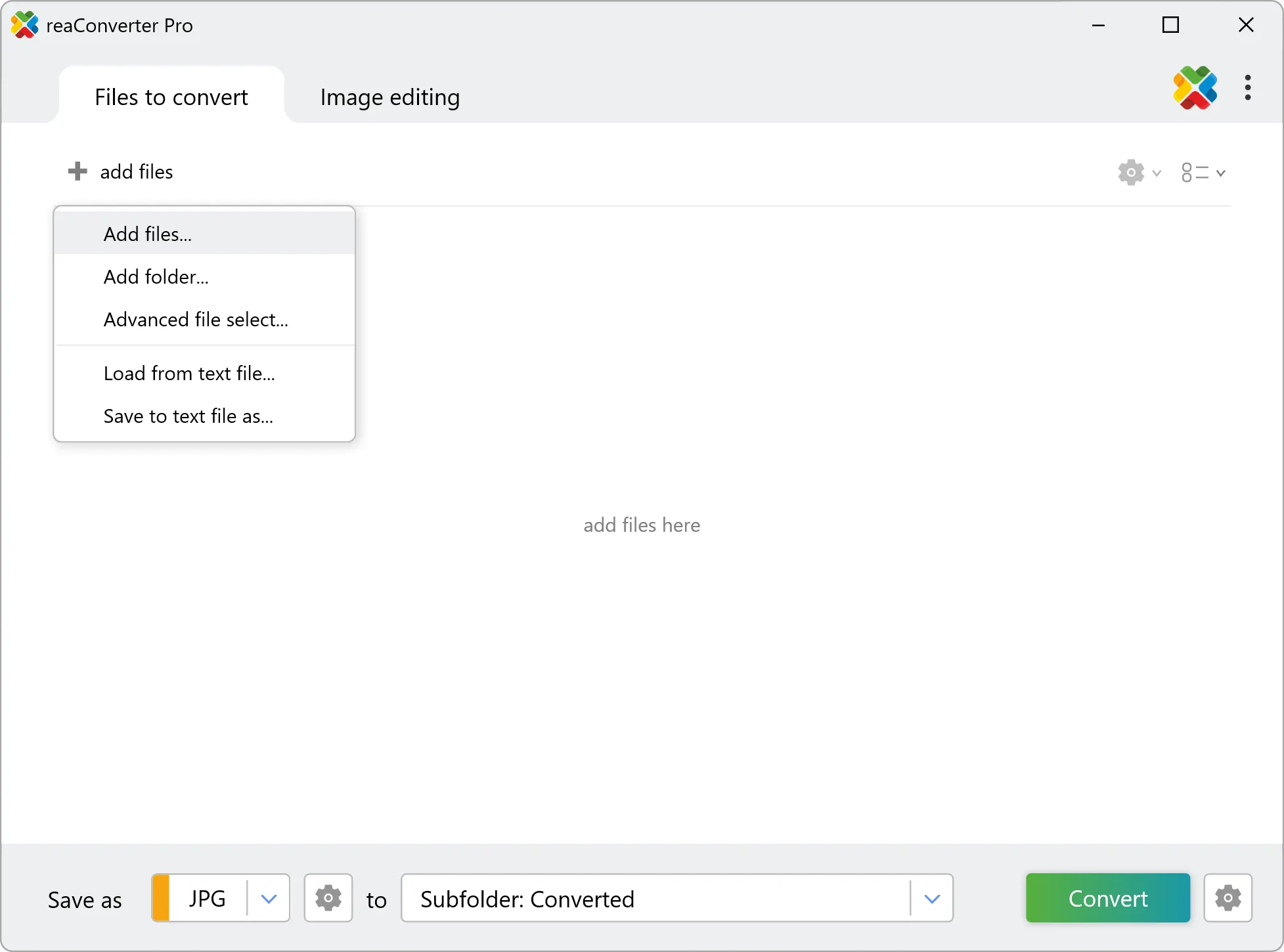
Open reaConverter and import your .vsi files. No file limits, no slowdowns. Add as many as you need.
Drag-and-drop VSIs directly into reaConverter or use the folder browser to load entire directories.
3. Select STP as output format
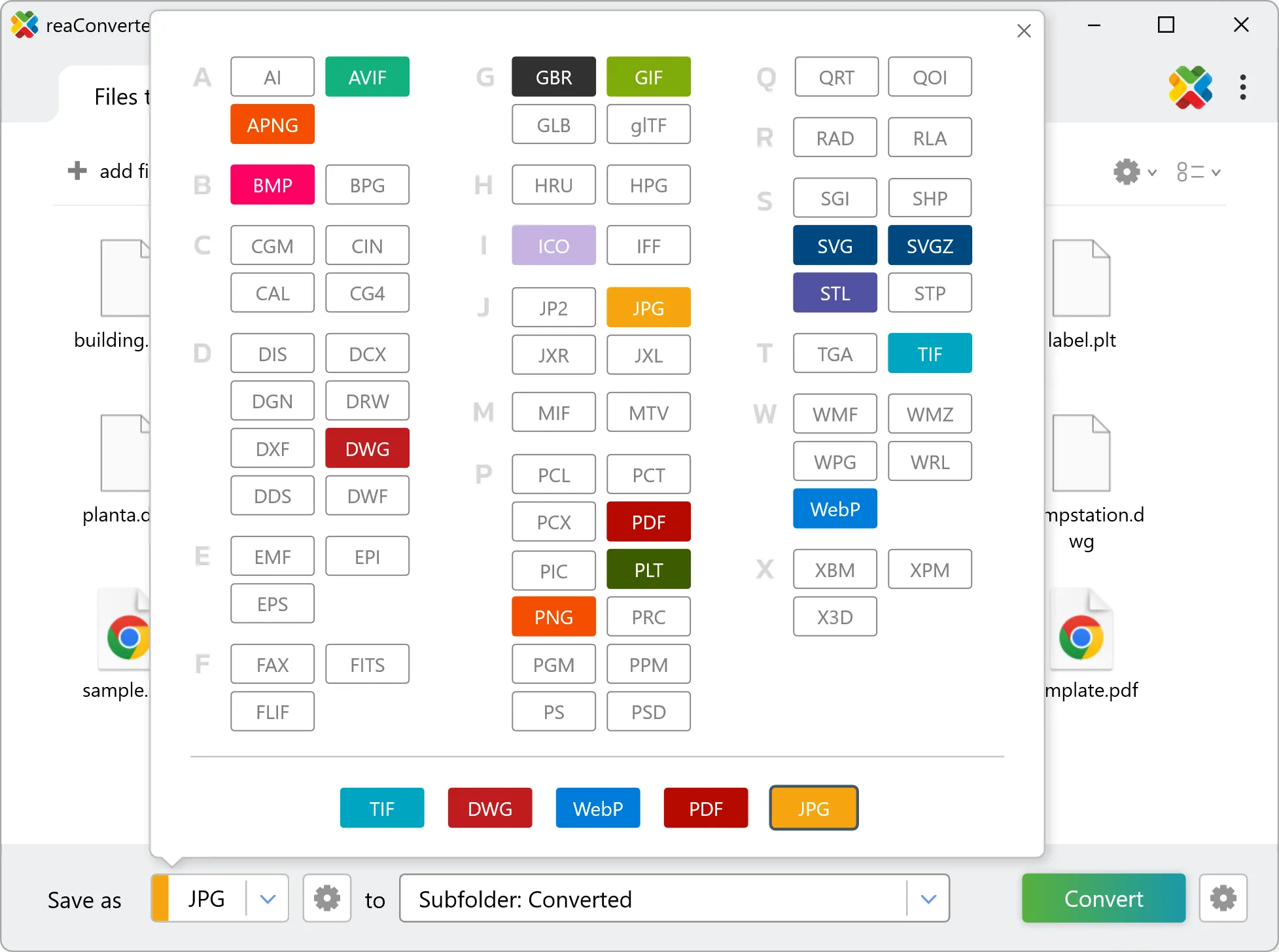
Pick STP as the output format. Set the destination folder and optionally configure resolution, quality, or file naming.
4. Start VSI to STP conversion
Press Convert to begin processing. You can watch the progress or minimize and let it run in the background.
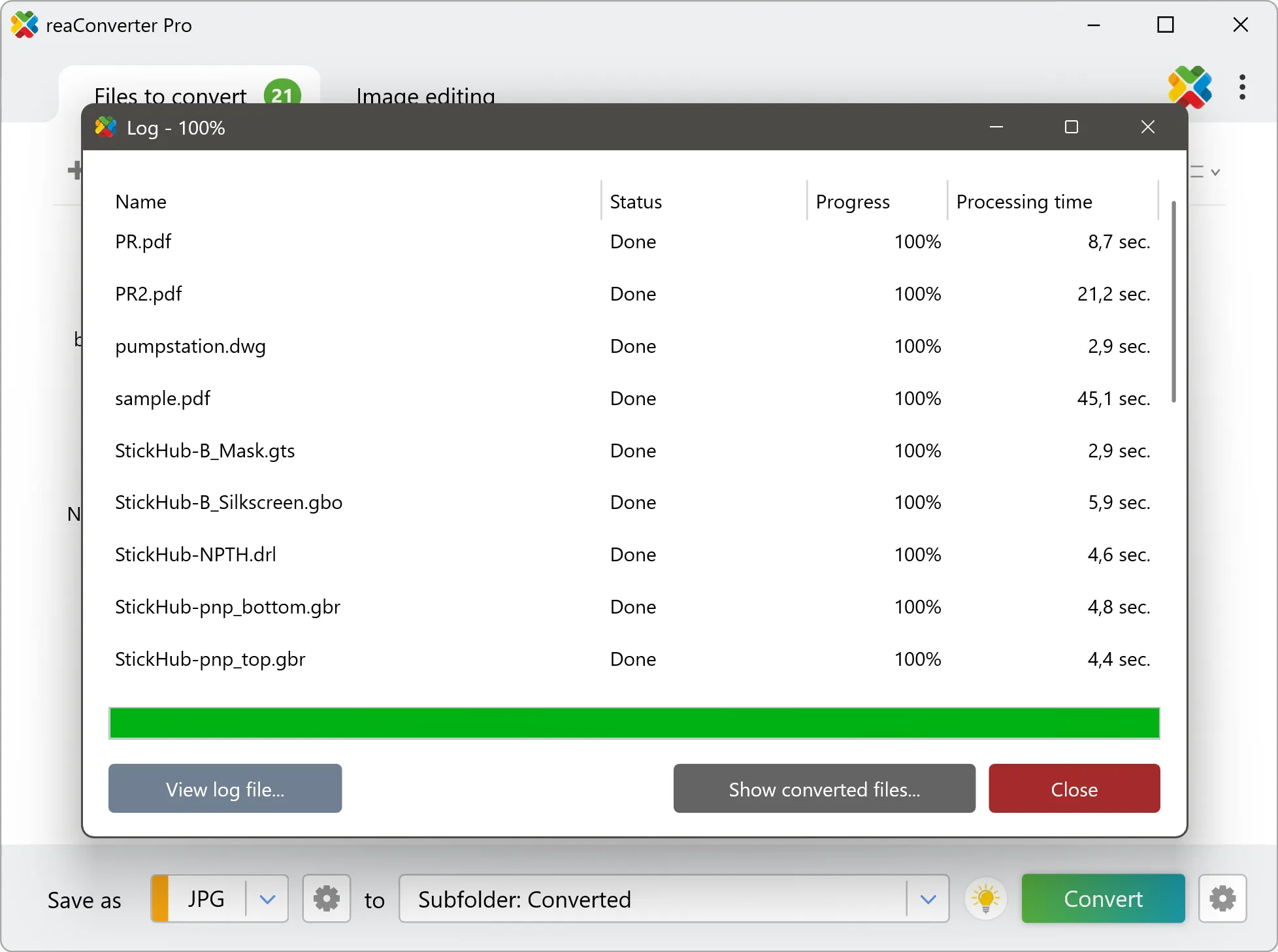
Your converted STP files will appear in the destination folder as soon as processing completes.